
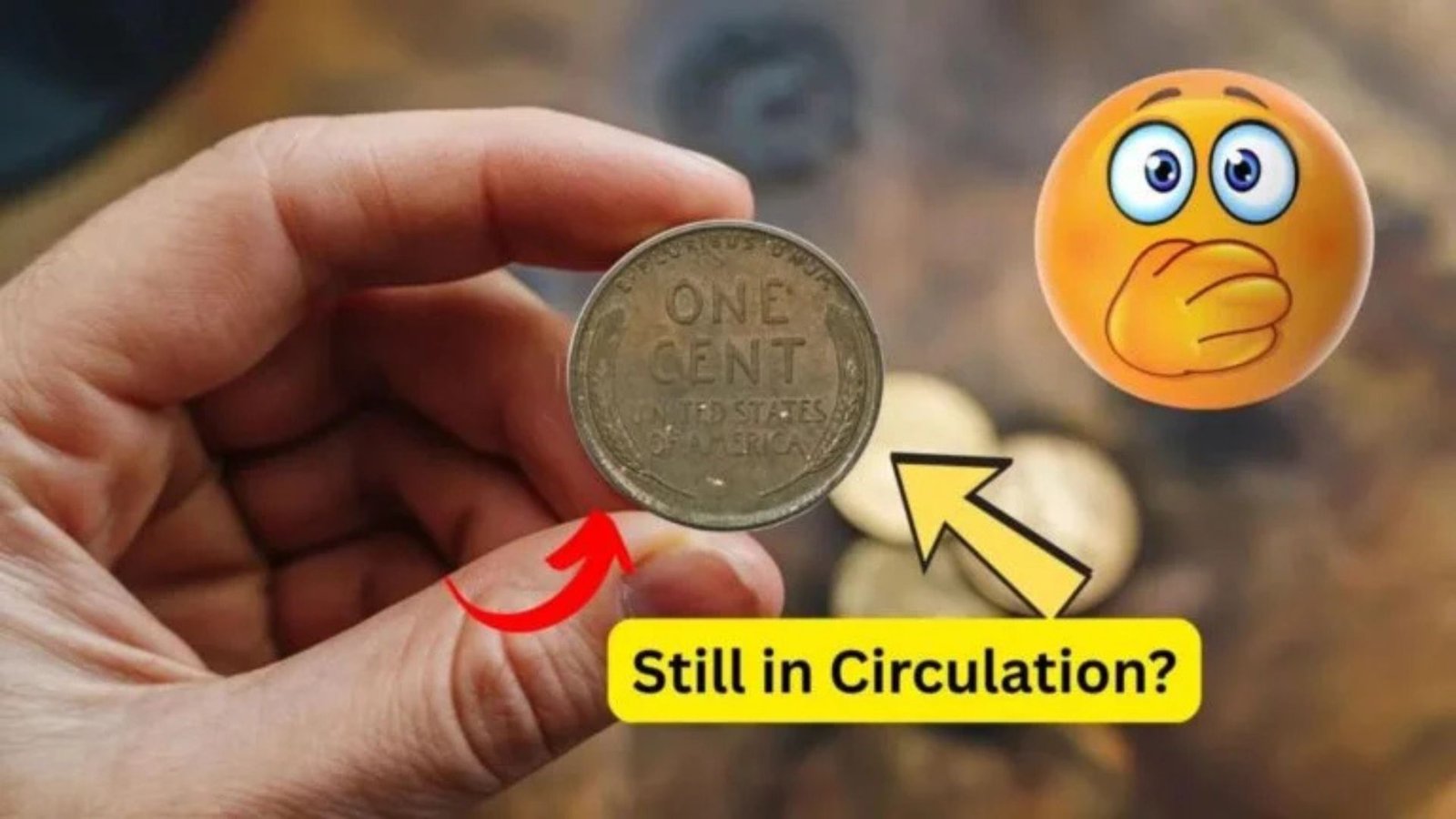
Imagine digging through your pocket change after a quick grocery run and pulling out a tiny copper coin that could make you a millionaire overnight. Sounds like a movie plot, right? But it’s real – and it just happened to a lucky collector who found a super-rare Lincoln Wheat Penny valued at a whopping $1.8 million still floating around in everyday circulation. In a world where most pennies barely buy you a thought, this little gem proves that fortune favors the curious.
If you’re a history buff, a coin hunter, or just someone who loves a good underdog story, stick around. We’re diving deep into the magic of the Lincoln Wheat Penny, uncovering why one version is worth a fortune, and sharing easy tips to check your own stash. By the end, you’ll know exactly what to look for – because who knows? Your next vending machine snack could change your life. Let’s roll those pennies!
What Makes the Lincoln Wheat Penny Such a Timeless Treasure?
The Lincoln Wheat Penny isn’t just any old coin – it’s an American icon that’s been jingling in pockets for over a century. Minted from 1909 to 1958, these one-cent pieces honor Abraham Lincoln, the 16th U.S. president who led the country through tough times like the Civil War. But what turns a simple penny into a collector’s dream? It’s all about history, design, and those rare “oops” moments in the minting process.
A Quick History Lesson: From Crisis to Classic
Back in 1909, the U.S. Mint wanted to celebrate Lincoln’s 100th birthday. Designer Victor David Brenner created the coin with Lincoln’s face on the front – the first U.S. coin to feature a real person’s portrait. On the back? Two wheat stalks framing the words “One Cent,” giving it that signature “Wheat Penny” nickname.
These pennies were made mostly of copper during World War I and the Great Depression when metal was cheap and plentiful. But things got wild during World War II. In 1943, the U.S. needed every scrap of copper for the war effort, like bullets and wires. So, the Mint switched to zinc-coated steel for pennies that year. Billions were made this way – tough, silver-looking coins that didn’t rust easily.
Here’s where the magic (and money) happens: A handful of Lincoln Wheat Pennies from 1943 slipped through as pure copper. How? Maybe a few blank copper planchets (the metal discs used to stamp coins) got left over from 1942 and accidentally got stamped in ’43. Only about 20 of these copper beauties are known to exist today. Spot one? You’re holding history – and a paycheck.
The Eye-Catching Design That Hooks Collectors
What grabs you first about a Lincoln Wheat Penny? Lincoln’s serious profile on the obverse (that’s the front, for newbies). His beard and high cheekbones scream “honest Abe.” Flip it over, and those golden wheat sheaves sway like a Midwest farm in the breeze – a nod to America’s breadbasket roots.
Over the years, small tweaks happened, like flatter designs in the 1930s to save metal. But the charm stayed the same: small (19mm wide), lightweight (about 3.11 grams for copper ones), and reddish-brown when shiny. In poor light or after years of wear, they look like any other penny. That’s why so many rarities hide in jars unnoticed.
Fun fact: The Lincoln Wheat Penny was the longest-running U.S. coin series until the Memorial design took over in 1959. Today, uncirculated ones from early years can fetch hundreds – but that 1943 copper? It’s in a league of its own.
The $1.8 Million Miracle: How a War-Time Flub Became a Fortune
Picture this: It’s 2010, and a California man named Roy “Buck” Blankenship is sorting through his dad’s old coin collection after he passes away. Among the dust-covered jars? A shiny 1943 Lincoln Wheat Penny that doesn’t match the steel ones everyone remembers from WWII ration books. Buck’s jaw drops – it’s copper!
He sends it to experts at Professional Coin Grading Service (PCGS). Verdict? One of the finest known examples, graded MS-64BN (Mint State, with brown toning). Fast-forward to a 2010 auction at Heritage Auctions: Bidding wars erupt, and it sells for $1.7 million. Adjusted for inflation and market hype? Easily $1.8 million today. Buck? He’s set for life, all from a coin that spent decades in a cookie jar.
Why This Penny Beats All Others in Value
Not all mistakes are created equal. The 1943 copper Lincoln Wheat Penny is the holy grail because:
- Extreme Rarity: Only 12-20 verified survivors out of billions minted in steel.
- Historical Hook: It defies WWII rules, symbolizing human error in a machine-made world.
- Condition Kings: Top grades (like MS-65 or higher) are unicorn-rare, pushing prices sky-high.
Compare it to a 1909-S VDB (the first Wheat Penny with Brenner’s initials) – valuable at $1,000-$2,000, but common by comparison. Or the 1955 Doubled Die, worth $1,000+ for errors in stamping. The 1943? It’s the Ferrari of pennies.
But here’s the kicker: Unlike museum pieces, this one was in circulation. Meaning, yes – it could still be out there, fooling folks at laundromats or tip jars. In 2022, another circulated copper 1943 sold for $240,000 at auction. Moral? Check your change, folks!
Spotting a Jackpot: Easy Guide to Valuable Lincoln Wheat Pennies
Dreaming of your own million-dollar find? You don’t need a metal detector – just your eyes and a magnifying glass. Most Lincoln Wheat Pennies are worth face value, but rarities pop up in the darnedest places: estate sales, bank rolls, or grandma’s piggy bank. Here’s how to play detective.
Step-by-Step: How to Check Your Pennies Like a Pro
- Look for the Year: Focus on 1909-1910 (low mintages) or 1943-1944 (war errors).
- Feel the Weight: Copper ones weigh 3.11g; steel 1943s are lighter at 2.7g. Use a kitchen scale!
- Magnet Test: Steel pennies stick to a fridge magnet; copper doesn’t.
- Eyeball the Color: Fresh copper shines reddish; steel looks silvery-gray.
- Hunt for Errors: Doubled letters? Off-center strikes? Those boost value 10x.
Pro tip: Snap clear photos and consult free apps like PCGS CoinFacts for instant ID. No fancy gear needed – start with that coffee change jar.
Top Valuable Lincoln Wheat Pennies at a Glance
To make it simple, here’s a quick table of standout Lincoln Wheat Pennies and their auction averages (based on recent sales data from Heritage and PCGS, in USD). These are for high-grade examples – worn ones fetch less, but still more than a cent!
| Year & Variety | Key Feature | Average Value (High Grade) | Why It’s Hot |
|---|---|---|---|
| 1909-S VDB | Designer’s initials on rim | $1,500 – $2,500 | First year, low mintage (484K) |
| 1914-D | Denver mint, scarce | $2,000 – $5,000 | Only 1.2M made, high demand |
| 1922 Plain | No “D” mint mark (error) | $500 – $1,000 | Accidental omission |
| 1943 Bronze | Copper instead of steel | $100,000 – $1.8M+ | WWII flub, ultra-rare |
| 1944 Steel | Steel during copper switch | $10,000 – $50,000 | Reverse error, few survivors |
| 1955 Doubled Die | Doubled text on obverse | $1,000 – $2,500 | Famous minting goof |
Note: Values fluctuate with market trends – always get a pro appraisal for suspects.
Beyond the Big One: Other Hidden Gems in Wheat Penny World
The 1943 copper steals the spotlight, but the Lincoln Wheat Penny series is packed with sleeper hits. Take the 1931-S: Only 866,000 minted during the Depression – uncirculated ones hit $10,000 easy. Or the 1909-S over horizontal S, a layering error worth $5,000+.
Collectors love these for their stories. The 1926-S? Minted when America was booming post-WWI, but low output (4M) makes it tough to find pristine. And don’t sleep on proofs – special shiny versions for collectors, like the 1917 Type 1, fetching $1,000+.
- Budget Buys for Newbies: Grab a 1941 in red (under $50) to learn the ropes.
- Mid-Range Thrills: 1920-D in AU-50 ($100-$300) – worn but wearable history.
- High-Roller Alerts: Anything pre-1915 in gem state – think $500 to $5,000.
Join clubs like the American Numismatic Association (ANA) for swaps and tips. Online forums buzz with fresh finds, turning hobbyists into hunters.
Pro Tips for Turning Pennies into Paydays
Ready to cash in? Here’s your action plan in bullet-point bliss:
- Sort Smart: Buy bulk rolls from banks ($25 for $25 in pennies) – low risk, high reward.
- Preserve Like a Pro: Store in soft albums, away from air and fingers. Toning adds charm, but damage kills value.
- Sell Savvy: Use eBay for quick flips or auctions like Stack’s Bowers for max bucks. Get graded first – it can 2x your payout.
- Stay Legal: Declare big finds on taxes (Uncle Sam loves copper too). And authenticate – fakes flood the market.
- Fun First: Collecting’s about the thrill, not just the till. Share stories on Reddit’s r/coins for community vibes.
In 2023 alone, everyday folks reported $50K+ in Wheat Penny hauls via metal detecting apps. Your turn?
Wrapping Up: Could Your Pocket Change Be a Powerball?
The tale of that $1.8 million Lincoln Wheat Penny isn’t just luck – it’s a reminder that treasures hide in plain sight. From wartime blunders to design debuts, these coins carry America’s story in every groove. So next time you dismiss a dinged-up penny, pause. Magnify it. Weigh it. Who knows – it might be your ticket to early retirement.
Whether you’re chasing the ultimate 1943 copper or building a modest Wheat stack, the hunt beats the find. Got a suspect coin? Snap a pic and hit up experts. In the meantime, keep circulating – fortune’s got a funny way of finding the prepared. What’s your penny story? Drop it in the comments – let’s chat copper!