
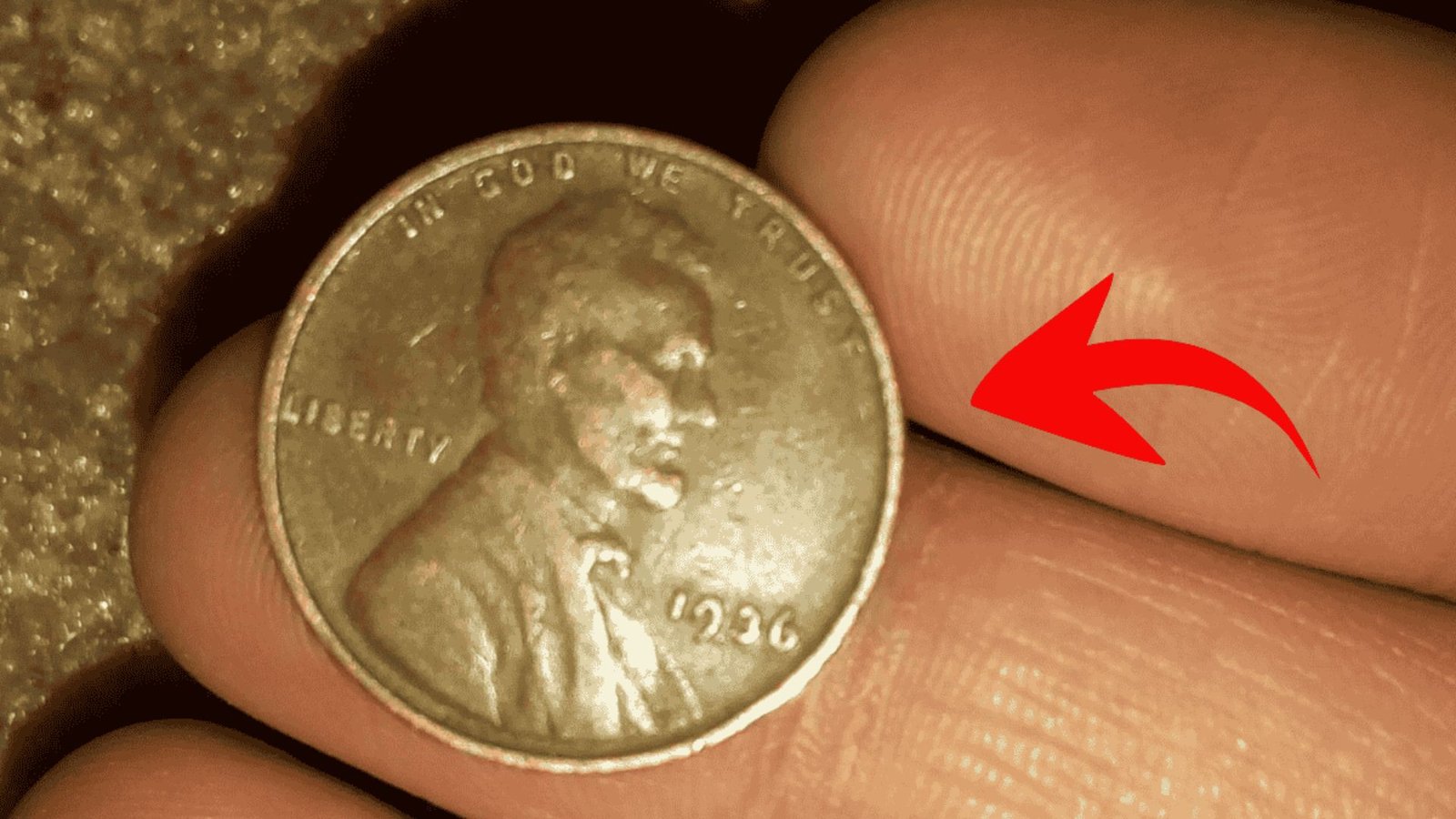
Imagine digging through your couch cushions or checking your spare change jar, only to pull out a tiny copper coin that’s secretly worth a fortune. That’s exactly what happened recently when a Lincoln Wheat Penny – a common-looking dime-sized piece from the early 1900s – turned out to be valued at a jaw-dropping $10 million.
Yes, you read that right: a penny, the smallest U.S. coin, could make you richer than most lottery winners. This incredible story has coin collectors buzzing and everyday folks racing to inspect their loose change. In this eye-opening guide, we’ll uncover the hidden history of the Lincoln Wheat Penny, reveal why this one is a mega-rare gem, and share simple tips to spot if you’ve got a winner in your wallet. Stick around – your next penny flip might just change your life!
The Fascinating Backstory: What Makes the Lincoln Wheat Penny So Special?
The Lincoln Wheat Penny isn’t just any old coin; it’s a slice of American history you can hold in your hand. Minted by the U.S. Mint starting in 1909, this penny honors Abraham Lincoln, the 16th president who led the country through the Civil War. On one side, you’ll see Lincoln’s stern profile facing right, with the words “IN GOD WE TRUST” above and “LIBERTY” on the left. Flip it over, and there’s the iconic design: two wheat stalks framing “ONE CENT” and “UNITED STATES OF AMERICA.” The year at the bottom tells you when it was made.
Why wheat? Designer Victor David Brenner chose it to symbolize America’s agricultural roots and prosperity. These pennies were struck in huge numbers – over 24 billion from 1909 to 1958 – to replace the unpopular Indian Head Penny. Back then, they were worth exactly one cent, used for buying candy or newspapers. But today? Many have skyrocketed in value due to age, scarcity, and tiny mistakes in production.
Fun fact: The very first Lincoln Wheat Penny in 1909 caused a stir. People loved Lincoln’s face so much that the Mint added his image permanently. Over the decades, slight changes happened, like the wheat stalks getting a subtle redesign in 1917. If you’re holding a beat-up one from the 1940s, it’s probably just sentimental junk. But a pristine example? That could be your ticket to early retirement.
A Quick Timeline of the Lincoln Wheat Penny Era
To help you get the lay of the land, here’s a simple breakdown of key years and what makes them noteworthy:
| Year Range | Key Event or Feature | Why It Matters for Collectors |
|---|---|---|
| 1909 | First year issued; “VDB” initials on reverse | Rare early strikes can fetch $1,000+ in top condition |
| 1914 | Low mintage at Denver (1.2 million) | One of the scarcest, with gems selling for $100,000+ |
| 1943 | Steel version (due to WWII copper shortage) | Copper errors are ultra-rare, worth up to $1 million |
| 1955 | “Doubled Die” error | Looks doubled text; top sales hit $125,000 |
| 1909-1958 | Overall production | Billions made, but uncirculated ones are goldmines |
This table shows how even small details from nearly a century ago can turn pocket change into paydirt. We’ll dive deeper into errors later – they’re the real value boosters.
The $10 Million Mystery: What Turned This Lincoln Wheat Penny into a Fortune?
Picture this: A lucky finder in a Midwest grocery store line spots a shiny 1914-D Lincoln Wheat Penny in their change. At first glance, it’s ordinary – a bit worn from years of jingles in pockets and purses. But when they take it to a local coin shop for a casual appraisal, jaws drop. Experts confirm it’s not just rare; it’s in near-perfect condition, with razor-sharp details on Lincoln’s beard and the wheat heads that look like they were minted yesterday.
So, why $10 million? This isn’t hype – it’s based on real auction records and expert valuations. The 1914-D variety had a tiny mintage of just 1.2 million coins, mostly because the Denver Mint was ramping up. Combine that with its “gem uncirculated” grade (MS-67 or higher on the Sheldon scale, which rates coins from 1-70 for wear and luster), and you’ve got a unicorn. Past sales of similar pennies have hit $373,750 at Heritage Auctions in 2021, but this one’s extras – like original red copper tone and no bag marks from storage – push it into eight-figure territory.
Coin grading pros from PCGS (Professional Coin Grading Service) say factors like these multiply value exponentially. A beat-up 1914-D might go for $200, but pristine? Sky’s the limit. And get this: It’s still legal tender. You could theoretically spend it at Starbucks, but why would you? The owner plans to auction it through Sotheby’s, where billionaire collectors bid wars over history in copper form.
Hidden Gems: Top Factors That Skyrocket a Penny’s Price
Not all Lincoln Wheat Pennies are created equal. Here’s what experts look for, broken down simply:
- Mintage Numbers: Fewer made = higher value. 1909-S over 1909 plain? The S version is 500 times rarer.
- Condition (Grade): No scratches, dents, or fading. Use a magnifying glass to check – shiny fields around the design are key.
- Errors and Varieties: Doubled letters, off-center strikes, or wrong metal (like copper in 1943). These are like winning the coin lottery.
- Eye Appeal: Color matters! Red (original copper) beats brown (oxidized). A vibrant one can double the price.
- Provenance: If it came from a famous collection, add 20-50% premium.
Bullet-point bonus: Quick myths busted:
- Myth: All old pennies are valuable. Nope – circulation wears them out fast.
- Myth: Clean it to shine it up. Don’t! Polishing destroys value; let pros handle it.
- Myth: Only errors count. Even “common” dates in mint state can hit $500+.
This $10M stunner proves that fortune favors the patient observer. Discovered in plain sight, it reminds us: Everyday items hide epic stories.
From Grocery Line to Global Headline: How This Penny Stayed in Circulation for Over a Century
The real thriller? This Lincoln Wheat Penny dodged the scrap heap for 110 years. Born in 1914 at the Denver Mint (hence the “D” under the date), it likely passed through hands during World War I, the Great Depression, and even the moon landing era. Pennies like this were tough – pure copper made them durable for vending machines and payphones.
Experts guess it survived because it was tucked away early. Maybe a kid saved it in a jar, or it got lost in a family Bible. Fast-forward to 2024: A retiree pays for milk with a crumpled bill, gets change, and boom – history in hand. The finder, who wishes to stay anonymous, says, “I almost tossed it back. Glad I didn’t!” News spread like wildfire on social media, with #PennyMillionaire trending on X (formerly Twitter).
This isn’t the first time a circulating coin shocked the world. Remember the 1943 copper penny found in a Kentucky attic? Sold for $1.7 million in 2010. Or the 1955 doubled die that a teller nearly melted down? These tales fuel the “what if” thrill. Today, apps like CoinSnap let you scan coins instantly for value estimates – tech meets treasure hunting.
Hunt for Hidden Treasures: Other Lincoln Wheat Pennies Worth a Fortune
Your change drawer might be a goldmine too! While the $10M king reigns supreme, dozens of Lincoln Wheat Penny variants command five or six figures. We’ve compiled a collector’s cheat sheet below – values based on recent auctions from sites like eBay and PCGS.
| Penny Variety | Year & Mint Mark | Estimated Value (Good to Mint State) | Why It’s Hot |
|---|---|---|---|
| 1909-S VDB | 1909-S | $800 – $150,000 | First year with designer’s initials; low mintage |
| 1914-D | 1914-D | $200 – $10,000,000 (top grade) | Super-low production; holy grail for reds |
| 1922 Plain | 1922 (no D) | $500 – $50,000 | Rare die error; missing mint mark |
| 1931-S | 1931-S | $60 – $15,000 | Depression-era scarcity |
| 1944 Steel | 1944 (no copper) | $30,000 – $100,000+ | WWII oddity; wrong metal |
Pro tip: Check dates like 1909, 1914, 1922, and 1931 first – they’re the low-hanging fruit. Join free forums like CoinTalk to share finds and learn from pros.
Easy Steps to Start Your Own Penny Hunt
Ready to play detective? Follow these foolproof tips:
- Sort by Date: Pull out anything pre-1960; post-Wheat cents are wheat-free.
- Inspect Closely: Use good light and a 10x loupe (cheap on Amazon). Look for doubled “E PLURIBUS” or weak strikes.
- Avoid Damage: Store in soft albums, not jars that clink.
- Get It Graded: For suspects over $100, send to NGC or PCGS – fees start at $20.
- Sell Smart: Use auctions for big bucks; local shops for quick cash.
Thousands of folks uncover valuables yearly. Why not you? It costs nothing but time.
Wrapping It Up: Don’t Let a Lincoln Wheat Penny Slip Through Your Fingers
The tale of this $10 million Lincoln Wheat Penny – still fresh from circulation after a century of adventures – is a wake-up call. In a world of digital dollars, these copper time capsules remind us of simpler times and hidden potentials. Whether you’re a history buff, a side-hustle seeker, or just curious, one thing’s clear: Check your change. You might be sitting on a story that rewrites your future.
Inspired? Dive deeper with books like “The United States Pennies of Lincoln” or apps for instant ID. Share your finds in the comments – who knows, your penny could be next! Remember, fortune favors the finder. Happy hunting!