
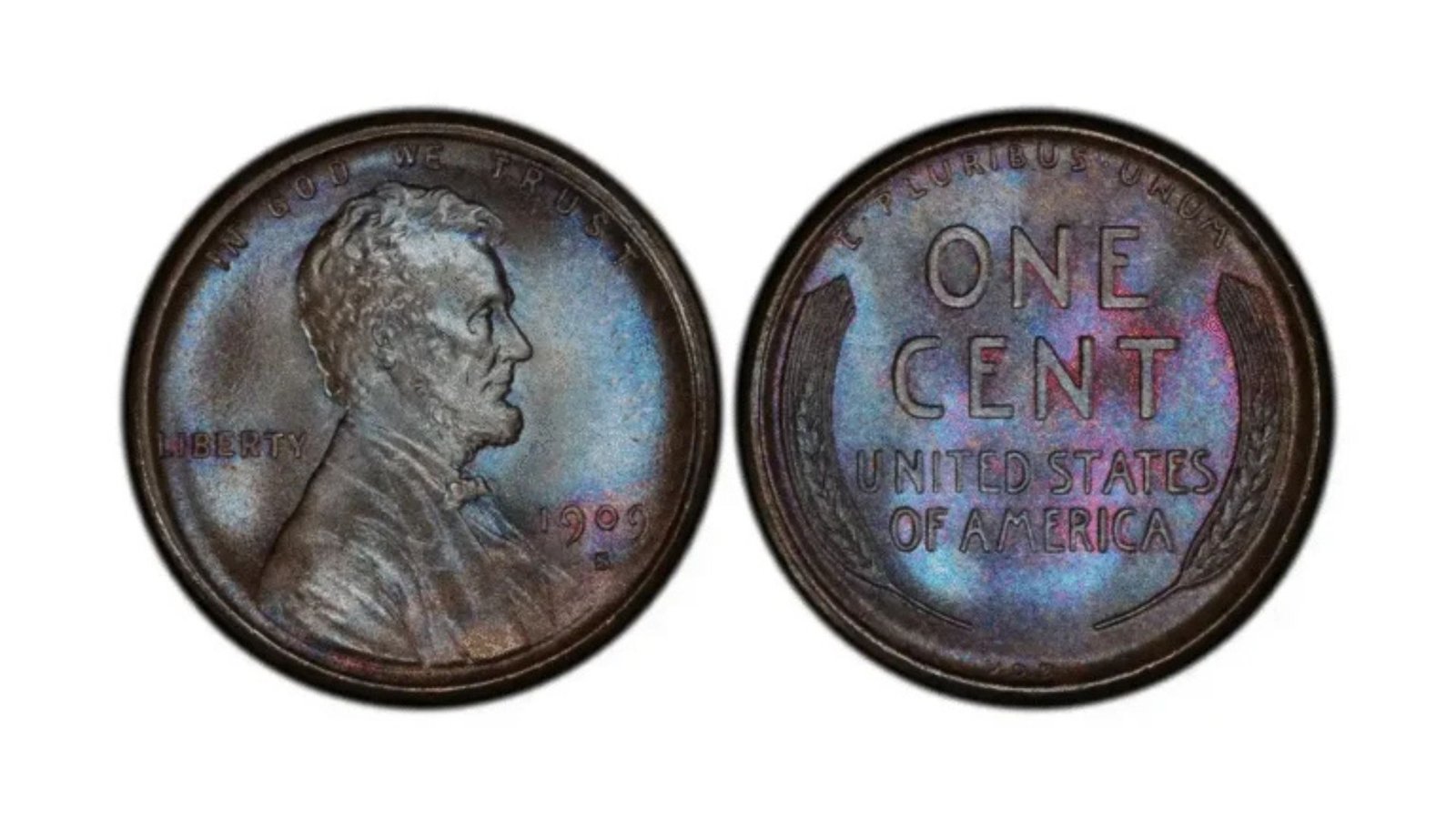
Imagine digging through your couch cushions or emptying your piggy bank, only to stumble upon a tiny copper coin that’s secretly a fortune. That’s the wild story behind the Lincoln Wheat Penny, a classic American coin from the early 20th century that’s still popping up in everyday pockets. But here’s the jaw-dropper: one of these unassuming pennies just sold for a whopping $144,000 at auction – and experts say more could be lurking in circulation right now.
In this eye-opening guide, we’ll break down everything you need to know about spotting a valuable Lincoln Wheat Penny, why it’s skyrocketing in worth, and how you can check your own stash without breaking a sweat. Ready to turn pocket change into payday? Let’s dive in.
What Makes the Lincoln Wheat Penny Such a Hidden Treasure?
The Lincoln Wheat Penny isn’t your average coin – it’s a piece of U.S. history rolled into a simple one-cent design. Minted from 1909 to 1958, these pennies honor Abraham Lincoln, the 16th president, on the front. Flip it over, and you’ll see two wheat stalks framing the words “One Cent.” That’s where the “Wheat” nickname comes from – easy, right?
But not all Lincoln Wheat Pennies are created equal. Most are worth just a few cents today, thanks to billions produced over the decades. The real gems? Rare versions with minting errors, low production numbers, or pristine condition. Take the famous 1909-S VDB penny: Only about 484,000 were made before the designer’s initials (Victor David Brenner) got yanked due to public outcry.
Today, a top-grade one can fetch over $100,000. And that $144,000 sale? It was for a near-perfect 1914-D penny, one of just 1.2 million struck in Denver that year. Graded MS-67 (that’s mint state, super shiny with no wear), it shattered records because survivors in that shape are like unicorns.
Why the hype? Collectors crave scarcity and stories. During World War II, copper shortages led to steel pennies in 1943 – but a handful of copper ones slipped through, now worth up to $1 million each. Even off-metal strikes or doubled dies (where the design stamps twice, creating funky doubles) turn a dud into dynamite. If you’re holding a Lincoln Wheat Penny from the 1920s or ’30s in your change jar, it might be time to grab a magnifying glass.
A Quick History Lesson: From Panic to Penny Power
Back in 1909, President Theodore Roosevelt pushed for “artistic” coins to celebrate Lincoln’s centennial. Brenner nailed the portrait, but the wheat reverse symbolized America’s breadbasket – a nod to prosperity post-Civil War. Production boomed, but economic dips like the Great Depression slashed mintages. By 1959, the wheat design retired for the Lincoln Memorial version we know today.
Fun fact: These pennies powered the U.S. economy through wars and booms. Kids collected them in albums, and now? They’re the gateway drug for numismatists (fancy word for coin lovers). No PhD required – just curiosity and a keen eye.
How to Spot a Lincoln Wheat Penny Worth a Fortune in Circulation
You’re probably thinking, “Okay, but how do I know if my penny is the golden ticket?” Good news: Lincoln Wheat Pennies are still legal tender, so they float around in vending machines, tip jars, and grandma’s cookie tin. Here’s your step-by-step cheat sheet to ID a potential payday.
Step 1: Check the Basics – Date and Mint Mark
- Date: Anything pre-1959 screams “Wheat Penny.” Post-1958? It’s the memorial type – common as dirt.
- Mint Mark: Look below the date. No letter? Philadelphia (most common). “D” for Denver, “S” for San Francisco. Low-mint years like 1909-S, 1914-D, or 1922 (no D, a rare error) are hot tickets.
Pro tip: Roll through your change daily. Banks give free rolls of pennies – cherry-pick the wheats and return the rest.
Step 2: Hunt for Errors and Oddities
Ever heard of “doubled die”? It’s when the hub (the stamp) shifts, doubling letters or lines. The 1955 doubled die is legendary – looks like it’s wearing 3D glasses. Or the 1943 copper penny: Should be steel, but if it’s reddish-brown? Call Sotheby’s.
Condition is king. Use the “Sheldon Scale” (1-70 grades): Worn out (1-10) = face value. Gem uncirculated (65+) = collector cash. Snap clear photos under good light – apps like PCGS CoinFacts can help verify.
Step 3: Where to Get It Appraised (Without Getting Ripped Off)
Don’t trust your buddy’s eBay guess. Head to:
- Local coin shops for quick peeks.
- Professional grading services like PCGS or NGC (they slab it in plastic for protection).
- Online auctions on Heritage or eBay for comps (comparable sales).
Insider hack: Join forums like CoinTalk or Reddit’s r/coins. Post pics anonymously – the hive mind spots fakes fast.
Lincoln Wheat Penny Values: From Pennies to Paydays
Wondering what your find is really worth? Values swing wildly based on rarity and grade. We crunched the numbers from recent auctions to bring you this easy-reference table. (Note: These are averages for uncirculated coins; circulated ones fetch less.)
| Year & Variety | Mintage (Approx.) | Low Grade Value | High Grade Value | Record Sale |
|---|---|---|---|---|
| 1909-S VDB | 484,000 | $800 | $150,000+ | $168,000 (2018) |
| 1914-D | 1,193,000 | $200 | $144,000 | $144,000 (2023) |
| 1922 Plain (No D error) | ~500,000 | $500 | $20,000+ | $25,000 (2022) |
| 1931-S | 866,000 | $60 | $10,000 | $12,500 (2021) |
| 1943 Bronze (Error) | ~20 | $14,000 | $1,000,000+ | $1.7M (2010) |
| 1944 Steel (Error) | ~30 | $7,000 | $100,000+ | $115,000 (2019) |
| 1955 Doubled Die | 20,000+ (error) | $1,200 | $100,000 | $124,000 (2008) |
This table shows why low-mintage years dominate headlines. That 1914-D? Its scarcity in top shape drove the $144,000 hammer price at Stack’s Bowers Galleries. Steel errors from WWII flipside the norm – they’re the unicorns that make headlines.
Why Lincoln Wheat Pennies Are Hotter Than Ever in 2025
Coin collecting isn’t just for dusty old-timers anymore. With inflation biting and stocks shaky, tangible assets like Lincoln Wheat Pennies are booming. Sales hit $500 million last year, per the Professional Numismatists Guild. Social media fuels the fire – TikTok videos of “penny hunts” rack up millions of views, turning newbies into treasure hunters.
Plus, education ties in: These coins teach history. Lincoln’s profile reminds us of unity; wheat stalks, abundance. In a digital world, holding a 100-year-old artifact feels grounding. And with baby boomers downsizing estates, floods of old coins hit the market – but values hold steady or climb.
The Risks: Fakes, Flops, and How to Play Smart
Not every shiny penny is a winner. Counterfeits plague the market – doctored dates or plated fakes fool rookies. Always buy/sell graded. Taxes? Uncle Sam wants 28% on long-term gains over $400. Start small: A $20 Red Book (coin guide) is your bible.
Environmentally? Pennies cost 2.4 cents to make now – the Mint’s eyeing discontinuation. Grab wheats while you can; future scarcity could spike values.
Real Stories: Everyday Folks Who Struck Lincoln Wheat Penny Gold
Nothing beats a rags-to-riches tale. In 2022, a Kentucky grandma found a 1943 copper in her late husband’s jar – sold for $200,000, funding her grandkids’ college. Or take Don Lutes Jr., who discovered his 1943 bronze as a teen in 1947. He held it 60 years, cashing in for $373,750 in 2010.
Closer to home: Last month, a Texas teller spotted a 1909-S in deposits – buyer paid $50,000. These aren’t lotteries; they’re patient payoffs. One Reddit user rolled 10,000 pennies from banks, netting $300 in wheats – small win, big thrill.
Your Action Plan: Start Hunting Lincoln Wheat Pennies Today
Don’t let $144,000 dreams gather dust. Here’s your no-BS to-do list:
- Sort Your Stash: Dump jars, scan dates.
- Learn the Lingo: Watch YouTube channels like BlueRidgeSilverhound.
- Network: Hit coin shows (check ANA events calendar).
- Preserve: Store in albums, away from air (oxidation kills shine).
- Sell Smart: If it’s a keeper, auction houses maximize bucks.
The Lincoln Wheat Penny proves fortune favors the nosy. That humble cent in your wallet? It might rewrite your story. Grab a roll from the bank, crack it open, and who knows – your viral moment awaits. What’s your best coin find? Drop it in the comments – happy hunting!