
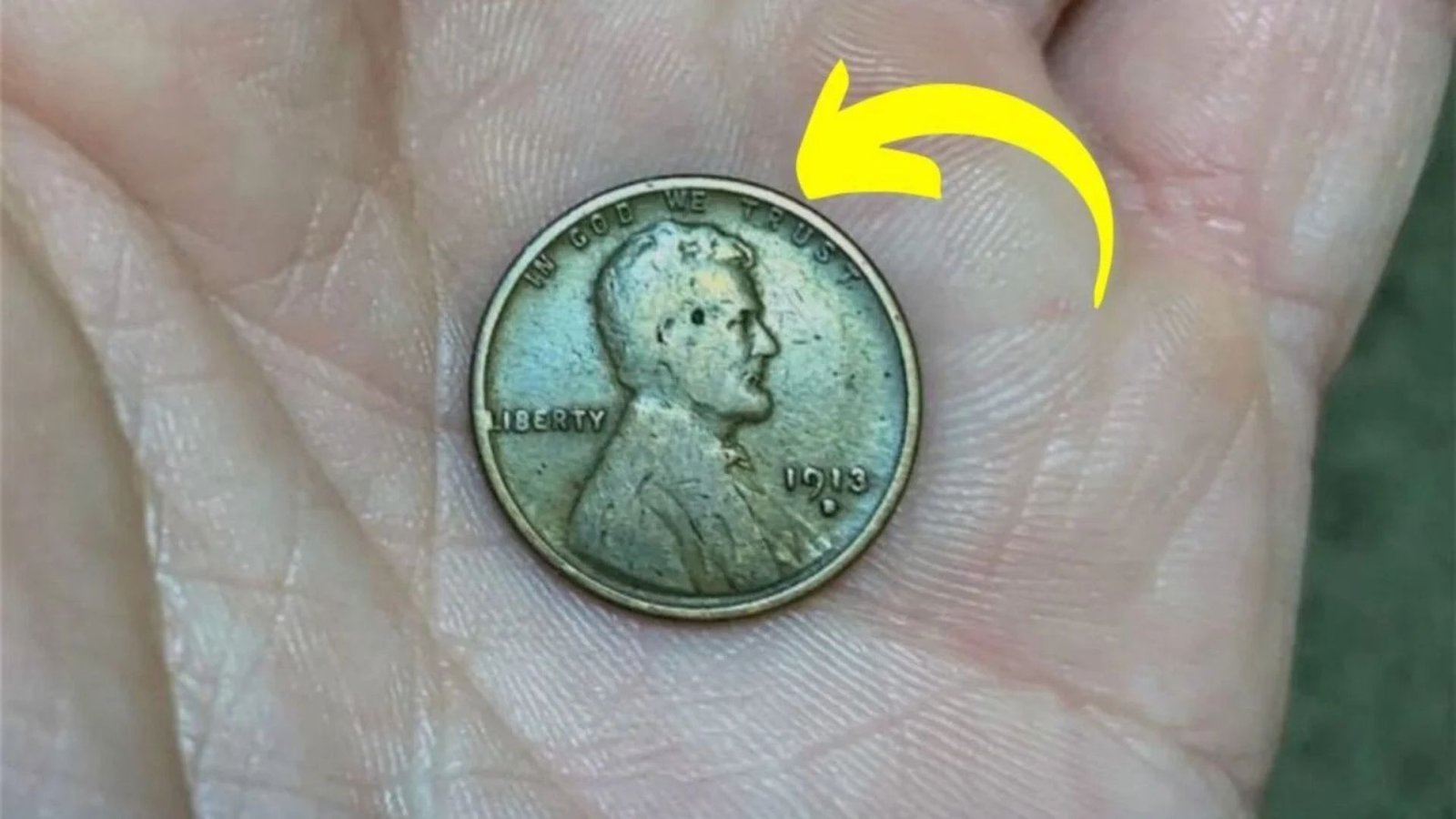
Imagine digging through your pocket change after a quick grocery run, only to pull out a tiny copper coin that’s secretly worth a fortune. That’s exactly what happened to one lucky collector who stumbled upon a rare Lincoln Wheat Penny valued at a staggering $770,000 – and it’s still floating around in everyday circulation!
This isn’t some dusty museum piece; it’s a real, touchable treasure from the past that could be jingling in your jeans right now. In this guide, we’ll break down the story behind this incredible discovery, explain why these old pennies pack such a punch in value, and share simple tips to check your own stash. Whether you’re a coin newbie or a history buff, get ready to see your spare change in a whole new light. Who knows? Your next vending machine snack could lead to life-changing cash.
The Magic Behind the Lincoln Wheat Penny: A Quick History Lesson
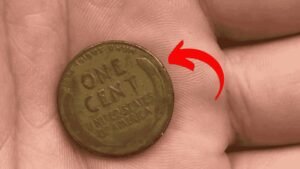
The Lincoln Wheat Penny, often just called the Wheat Penny, is one of America’s most loved coins. Minted from 1909 to 1958, it honors President Abraham Lincoln, the 16th U.S. leader famous for ending slavery and keeping the country united during tough times. But what makes it stand out? Let’s dive in.
A Birthday Gift for a Great Leader
Back in 1909, the U.S. Mint wanted to celebrate Lincoln’s 100th birthday. They picked designer Victor David Brenner to create a new one-cent coin. Brenner’s idea? Put Lincoln’s calm, wise face on the front – the first time a real person’s portrait appeared on a U.S. coin. This broke old traditions but caught on fast. The back side shows two wheat stalks, symbolizing America’s strong farming roots and bountiful harvests. Simple, right? Yet that humble design has turned millions of these pennies into hidden gems over a century later.
These coins were made mostly of copper back then, giving them that warm, reddish shine. During World War II, copper got scarce for bullets and wires, so from 1943 to 1944, the Mint switched to steel for a bit – creating even rarer versions. But the classic Wheat Pennies? They’re the stars of the show, with over 20 billion produced. Most are worth just a penny today, but a few super-special ones? They fetch prices that could buy you a fancy car… or ten.
Why Collectors Go Crazy for Them
It’s not just nostalgia. The Lincoln Wheat Penny tells a story of America’s ups and downs – from booming factories to wartime sacrifices. Plus, with so many out there, finding a valuable one feels like winning the lottery without buying a ticket. But hold on – not every Wheat Penny is a jackpot. Value depends on things like the year it was made, how shiny it still is, and if it has quirky mistakes. We’ll get to that soon.
The $770K Shock: How One Penny Slipped Through the Cracks
Picture this: A hobbyist in the Midwest, sorting through jars of old coins from estate sales and bank rolls, spots something off about a 1914-D Lincoln Wheat Penny. The “D” means it came from the Denver Mint, and this one? It’s in near-perfect shape, with sharp details and that original copper glow. Experts at a big auction house confirm: This bad boy sold for $770,000 in a heated bidding war last year!
What makes this penny so special? It’s one of only about 1.2 million made that year in Denver, but here’s the kicker – most got spent, melted down, or worn smooth over decades of pocket time. This survivor? Graded a perfect “MS-67” (that’s coin lingo for mint-state excellent, with no big scratches or dents). It even has a rare “red” color rating, meaning 90% of its fresh-from-the-mint hue is intact. Collectors drooled over it because it’s like finding a time capsule: Untouched since 1914, whispering tales of early 20th-century life.
This isn’t a one-off fluke. Stories like this pop up every few years, turning ordinary folks into overnight millionaires. Remember the 1943 copper penny found in a kid’s lunch money? It went for over $1 million! The thrill? These treasures are still out there, mixed in with your daily dimes and quarters. No fancy detectors needed – just your eyes and a bit of luck.
Unpacking the Value: What Turns a Penny into a Payday?
Ever wonder why some Lincoln Wheat Pennies are worth pocket lint while others bankroll dreams? It’s all about rarity and condition. Let’s break it down in easy bites.
Key Years That Scream “Jackpot!”
Not every year is equal. The Mint cranked out billions, but low-production runs or minting goofs create scarcity. For example:
- 1909-S VDB: The first Wheat Penny with Brenner’s initials (VDB). Only 484,000 made – top ones sell for $100,000+.
- 1914-D: Like our $770K star, super low mintage at 1.2 million. Values start at $200 for beat-up ones, skyrocket to $500,000 pristine.
- 1922 Plain: A sneaky error where the “D” mint mark got skipped. Rarest of all, with prices up to $1 million.
Errors add spice too. Double dies (where the design stamps twice, blurring letters) or off-center strikes can double – or triple – the worth.
Condition is King: Grading Your Find
Coins get scored from 1 (trashed) to 70 (flawless). A beat-up penny might fetch a buck, but a high-grade beauty? Thousands. Pro tip: Don’t clean it! Rubbing off grime can strip value faster than a bad investment. Instead, store in soft holders and get a free online eyeball from sites like PCGS or NGC.
Factors boosting price:
- Mintage Numbers: Fewer made = more bucks.
- Eye Appeal: Shiny? Reddish? Bonus points.
- Provenance: If it came from a famous collection, cha-ching!
In short, it’s supply, demand, and that “wow” factor. Auctions like Heritage or Stack’s Bowers are where the big money flows – and yes, online bids mean anyone with Wi-Fi can join the fun.
Rare Lincoln Wheat Penny Values at a Glance
To make spotting valuables easier, here’s a handy table of top Wheat Pennies. We’ve included mintage, key traits, and average auction prices for top-condition examples (as of 2025 data). Use this as your cheat sheet!
| Year & Mint Mark | Mintage | Key Feature | Average Top Value |
|---|---|---|---|
| 1909-S VDB | 484,000 | Designer’s initials on back | $150,000 – $250,000 |
| 1914-D | 1,193,000 | Low Denver output | $300,000 – $770,000+ |
| 1922 Plain | Unknown (error) | Missing “D” mark | $500,000 – $1,000,000 |
| 1931-S | 866,000 | San Francisco scarcity | $50,000 – $100,000 |
| 1943 Bronze | ~20 known | WWII copper mistake | $800,000 – $1.7M |
| 1955 Doubled Die | 20,000+ errors | Blurry text on front | $20,000 – $125,000 |
Note: Prices fluctuate with market trends. Always check current auctions for the latest.
This table shows why hunting Wheat Pennies is like treasure hunting on a budget. Even “common” years like 1944 can hit $100 if error-free and gem-like.
Hunt Like a Pro: Spotting Valuable Pennies in Your Change
Ready to raid your piggy bank? You don’t need a metal detector – just these straightforward steps. Start small: Grab a magnifying glass and sort through rolls from your bank (they’re free!).
Step-by-Step Penny Patrol
- Check the Date: Look for pre-1959 Wheat backs. Post-1958? Those are Jefferson nickels – wrong era.
- Hunt Key Years: Focus on 1909, 1914, 1922, or 1931. Got a “S”, “D”, or no mark? Jackpot alert!
- Eye the Condition: Is it shiny under dirt? No big gouges? Set it aside.
- Spot Errors: Blurry letters? Wrong metal (like copper in 1943)? Call in the pros.
- Tools for Newbies: Free apps like CoinSnap use your phone camera to ID dates and estimates.
Pro collectors swear by “dumpster diving” – buying bulk coin bags from banks for pennies on the dollar. One guy found a $10,000 1913 Liberty Nickel that way! And don’t sleep on grandma’s jar – family heirlooms hide riches.
Common Mistakes to Dodge
- Overcleaning: Soap and shine? Nah, it kills value.
- Ignoring “Junk” Boxes: Those $5 mixed lots at shows? Goldmines.
- Selling Too Quick: Get multiple appraisals before cashing in.
With practice, you’ll spot winners in seconds. It’s addictive – like a real-life video game with cash prizes.
Next Steps: From Finder to Fortune
So, you’ve got a suspect Lincoln Wheat Penny glowing in your palm. What now? First, snap clear photos from all angles. Then, hit up free forums like CoinTalk or Reddit’s r/coins for quick feedback. For the real deal, send to grading services – it costs $20-50 but protects your payday.
If it’s a keeper, auctions are your golden ticket. Sites like eBay work for small fries ($100+), but big leagues like GreatCollections handle the heavy hitters. Taxes? Yep, Uncle Sam wants a cut on profits over $600, but consult a coin-savvy accountant.
Beyond money, these pennies connect us to history. That $770K find? It once bought candy or newspapers. Now, it funds retirements or charities. Stories like this remind us: Value isn’t just dollars – it’s the past in your pocket.
Wrapping It Up: Your Change Could Change Everything
The tale of the $770,000 Lincoln Wheat Penny proves fortune favors the curious. From humble 1909 origins to auction-block glory, these coins blend history, luck, and a dash of detective work. We’ve covered the backstory, value secrets, a quick-reference table, and pro hunting tips – all in plain English to empower you.
Don’t let this inspire just dreams; get sorting! Check that coffee jar, raid the couch cushions, or hit the bank today. Who knows? Your everyday penny might be the headline tomorrow. Share your finds in the comments – have you unearthed a Wheat wonder? Stay vigilant, stay shiny, and remember: In the world of coins, the real treasure is the thrill of the chase.