
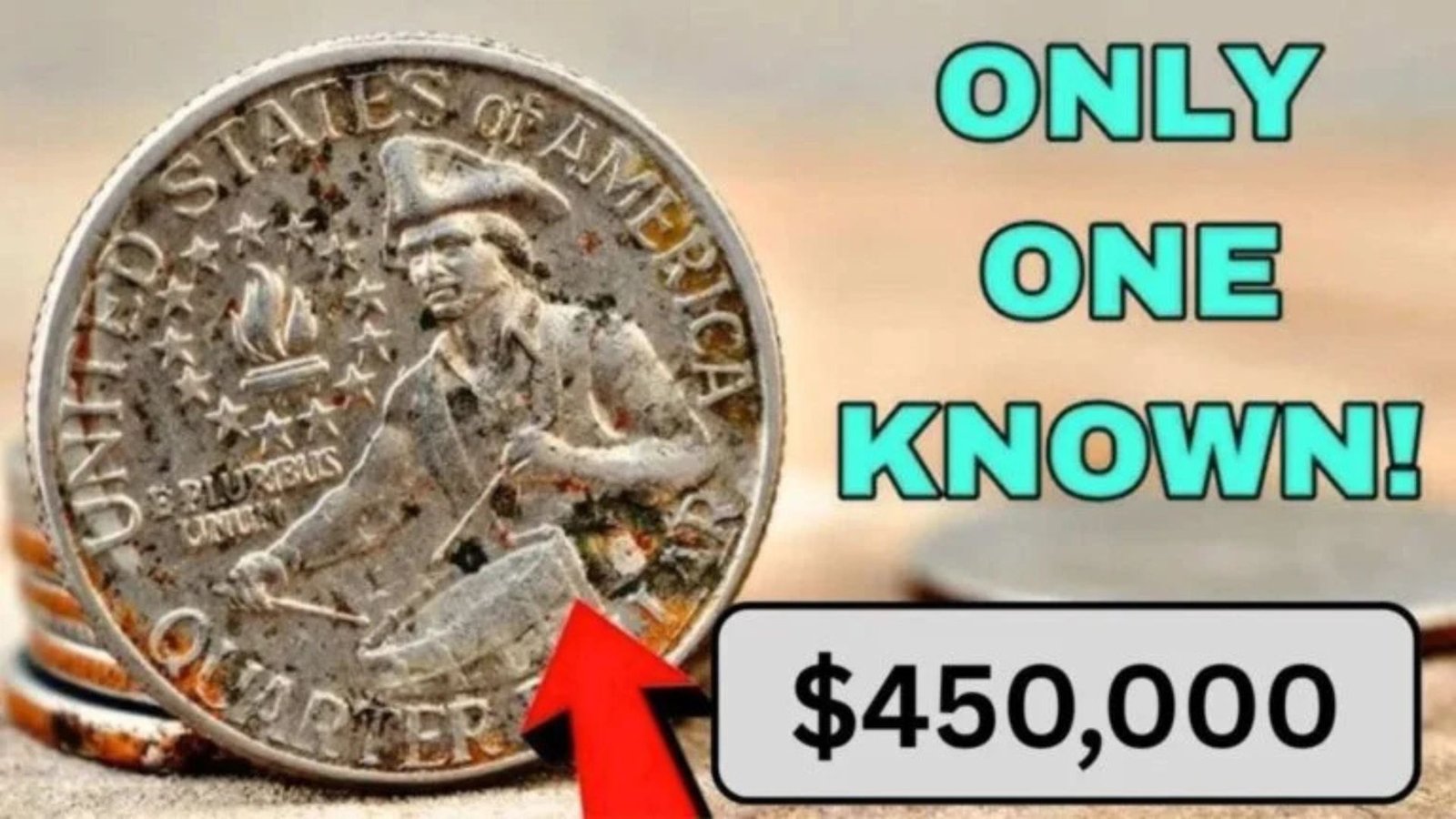
Have you ever pulled a quarter from your pocket and wondered if it might be more than just spare change? Imagine finding out that your 1976 Drummer Boy Quarter – the one celebrating America’s 200th birthday – could fetch a jaw-dropping $450,000 at auction. Yes, you read that right. While most of these coins are worth only 25 cents, a rare version with a special minting mistake recently sold for a fortune, turning an ordinary collector’s item into a life-changing treasure.
In this guide, we’ll dive deep into the story behind the 1976 Drummer Boy Quarter, explain why one skyrocketed in value, and show you simple steps to spot if yours is a winner. Whether you’re a coin newbie or a seasoned collector, you’ll walk away knowing how to turn pocket change into potential riches. Let’s uncover the secrets of this iconic coin!
What Makes the 1976 Drummer Boy Quarter So Special?
The 1976 Drummer Boy Quarter, officially known as the Bicentennial Quarter, was created to honor the 200th anniversary of American independence. Minted in 1975 and 1976 but dated 1776-1976, these quarters swapped the usual eagle on the back for fresh designs tied to the Revolutionary War.
A Quick Look at the Design
On the front, you’ll see the familiar face of George Washington, the first U.S. president, looking strong and thoughtful. But flip it over, and that’s where the magic happens. The reverse side features a young drummer boy marching with his instrument, surrounded by 13 stars for the original colonies, a torch, and an olive branch. This lively scene captures the spirit of freedom and youth from 1776.
These quarters were made in huge numbers – over 1.6 billion in total – to get into everyone’s hands during the big celebration. Most circulated widely, ending up in jars, piggy banks, and vending machines. But here’s the exciting part: not all are the same. Tiny mistakes during production, called “mint errors,” can make one coin stand out like a diamond in a coal mine.
Why the Drummer Boy Nickname Sticks
Collectors lovingly call it the “Drummer Boy Quarter” because of that central figure on the back. It’s a nod to the boys who beat drums to rally troops during the war. This fun name makes it easy to remember and spot in your change.
The Big Reveal: Why Did One Sell for $450,000?
Picture this: In a heated online auction earlier this year, a single 1976 Drummer Boy Quarter hammered down at $450,000. What turned this 25-cent piece into a half-million-dollar gem? It all boils down to rarity and a perfect storm of collector demand.
The Star of the Show: A Rare Double Die Error
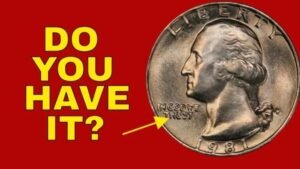
The winning coin had a “double die obverse” error – a fancy term for when the metal stamping machine slipped and hit the coin twice in a slight offset. This creates a ghostly double image, like a blurry echo, on Washington’s face, the words “LIBERTY” and “IN GOD WE TRUST,” and even the date. To the untrained eye, it might look like wear and tear, but experts know it’s a one-in-a-million flub from the Philadelphia Mint.
This error happened because the die (the metal stamp) shifted just a hair during production. Only a handful of these exist in top shape, making them ultra-rare. Graded a near-perfect MS-68 by the Professional Coin Grading Service (PCGS), this coin gleamed like new, with no scratches or dents. High grades like this multiply the value because they prove the coin was handled with kid gloves since day one.
Timing and Hype Boosted the Price
Auctions for error coins are like rock concerts – the buzz builds fast. This sale came amid a surge in interest for Bicentennial items, fueled by TV shows like Pawn Stars and online forums buzzing about hidden treasures. A collector from California snapped it up, adding it to a private display of American history pieces. Stories like this spread like wildfire, driving up prices for similar finds.
Experts say values could climb even higher as fewer pristine examples surface. If your quarter has even a hint of doubling, it might be worth a professional check – you could be the next big winner!
Common Errors in 1976 Drummer Boy Quarters: Spot the Goldmines
Not every 1976 Drummer Boy Quarter is a jackpot, but many have quirks that bump up their worth from a few bucks to thousands. Mint errors are like fingerprints – unique glitches from the high-speed presses that churned out billions of coins. Here’s a breakdown of the most sought-after ones, explained in plain English.
Top Mint Errors That Pay Off Big
These mistakes happened during the striking process, when blank metal discs (planchets) get stamped with designs under massive pressure. Spotting them takes a magnifying glass and patience, but the payoff can be huge.
To make it easy, check out this table of key errors, their telltale signs, and average sale prices (based on recent auctions for coins in good condition):
| Error Type | What It Looks Like | Rarity Level | Average Value | Pro Tip |
|---|---|---|---|---|
| Double Die Obverse | Blurry double edges on Washington’s hair, letters, or date | Very Rare | $5,000 – $450,000+ | Focus on the front side; look for “ghosting” on text. |
| Off-Center Strike | Design shifted sideways, missing parts of the rim or stars | Rare | $50 – $2,000 | Measure the centering – if it’s more than 10% off, jackpot! |
| Struck Through Grease | Bumpy or flat spots where grease clogged the die, like on the drummer’s drum | Common but Valuable | $20 – $500 | Feel for raised blobs; common on reverse. |
| Missing Mint Mark | No “D” or “S” below the date (should have one for Denver or San Francisco) | Rare | $100 – $1,500 | Philly coins lack marks, but errors make them special. |
| Six-Fingered Drummer | Drummer boy appears to have an extra finger on his hand | Extremely Rare | $1,000 – $10,000 | Zoom in on the hand – a die crack creates the illusion. |
This table shows why errors aren’t just flaws – they’re what make coins collectible. For instance, a simple off-center strike might only net $100, but combine it with a high grade, and you’re talking five figures.
Silver vs. Clad: Don’t Overlook the Metal
Most 1976 Drummer Boy Quarters are clad (copper-nickel sandwich), but San Francisco proof sets used 40% silver. These shiny versions, marked “S,” start at $10 but soar to $500+ with errors. Weigh yours – silver ones tip the scales at 24.3 grams vs. 5.67 for clad.
How to Check Your 1976 Drummer Boy Quarter: Step-by-Step Guide
Think you’ve got a keeper? Don’t toss it back in the drawer yet. Here’s a foolproof way to inspect your coin without fancy tools. Grab a magnifying glass, good lighting, and a steady hand.
Step 1: Clean and Inspect the Basics
Gently rinse under warm water (no soap or scrubbing – that lowers value). Dry with a soft cloth. Look for the date: 1776-1976 confirms it’s a Bicentennial.
Step 2: Hunt for Errors on Front and Back
- Front: Scan Washington’s profile for doubling (fuzzy outlines). Check the mint mark below the date – “P” (Philly), “D” (Denver), or “S” (San Francisco).
- Back: Examine the drummer boy’s hand, drum, and stars for extra lines or smudges. Count the stars – should be 13 crisp ones.
Step 3: Grade It Yourself (Roughly)
Use a scale of 1-70: MS-60 is uncirculated but average; MS-65+ is gem quality. Shiny luster and no bag marks (scratches from mint bags) mean higher scores.
Step 4: Get Expert Help
Snap clear photos and submit to PCGS or NGC online (costs $20-50). Or visit a local coin shop for a free peek. Apps like CoinSnap can give quick scans too.
Pro tip: Store suspects in plastic flips away from air to prevent tarnish. One overlooked error in grandma’s jar turned into a $25,000 windfall last year!
The Thrill of Collecting 1976 Drummer Boy Quarters Today
Owning a 1976 Drummer Boy Quarter isn’t just about money – it’s holding a slice of history. These coins remind us of parades, fireworks, and national pride from 1976. With values rising (up 20% in the last year per auction data), they’re smart buys for hobbyists.
Tips for New Collectors
Start cheap: Buy circulated ones for $1-5 to practice spotting errors. Join forums like Reddit’s r/coins for free advice. Attend shows – you might trade for a sleeper error.
Future Outlook: Will Values Keep Climbing?
Yes, say experts. As boomers downsize estates, more coins flood the market, but pristine errors stay scarce. By 2030, top Drummer Boy Quarters could hit $1 million if trends hold.
Final Thoughts: Turn Your Change into Change
The story of that $450,000 1976 Drummer Boy Quarter proves fortune favors the curious. What seems like junk could be your ticket to early retirement. Dig through your wallet, attic boxes, or family heirlooms today. With billions minted, the odds are in your favor for a fun find – and who knows, maybe a fortune too.
Got a suspect coin? Share your pics in the comments below – we might spot something amazing! Happy hunting, and remember: Every quarter tells a story. What’s yours worth?